Tumpek Uduh in Bali: A Sacred Day to Honor Nature
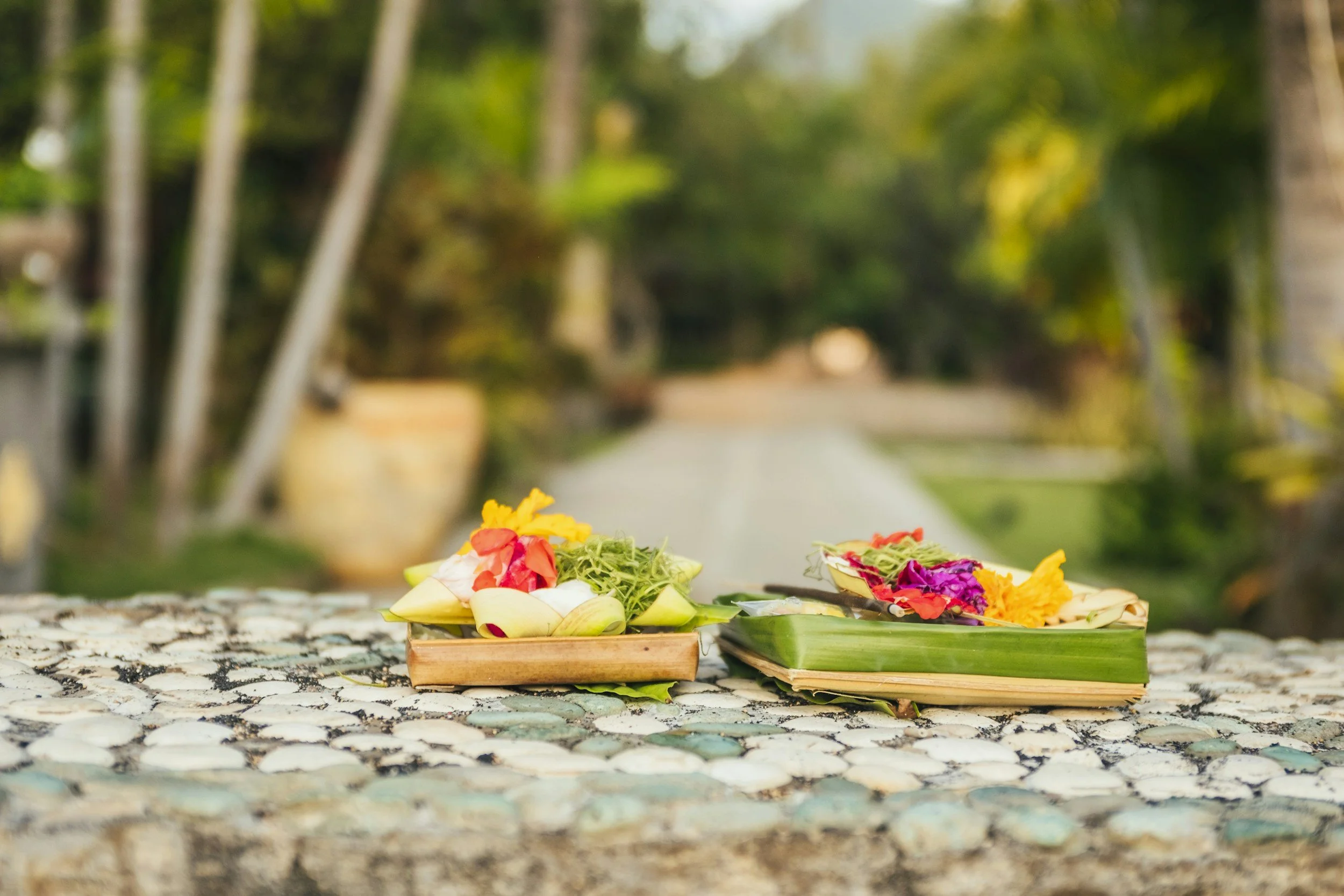
Every 210 days, Bali celebrates Tumpek Uduh, also known as Tumpek Wariga, a sacred day dedicated to honoring plants, trees, and the natural world that sustains life. Rooted in Balinese Hindu philosophy, the day is an expression of gratitude toward the plants that provide food, flowers, shelter, and countless other gifts to human life.
Tumpek Uduh is more than a ceremony for nature. It reflects a deeper Balinese understanding that people and the natural world exist in a relationship of mutual care. Plants give generously to us, and in return, we have a responsibility to protect and nurture them. This idea of living in harmony with nature is closely connected to Tri Hita Karana, the Balinese philosophy of balance between people, nature, and the divine.

Why Do Balinese People Honor Plants?
In Bali, plants are often spoken of with a sense of affection and respect, as beings that have been here before us and continue to sustain our lives. During Tumpek Uduh, prayers and offerings are made as an expression of gratitude for their abundance.
The ceremony traditionally takes place 25 days before Galungan, when families may ask that trees and plants produce abundant flowers and fruit for the upcoming celebrations. In this way, the ritual is both an offering of thanks and a reminder of the relationship between human life and the natural world.
Bubuh: An Offering of Gratitude
One of the distinctive elements of Tumpek Uduh is bubuh, a traditional rice porridge offering.
In some Balinese traditions, bubuh is offered to plants as a symbolic form of nourishment. The gesture reflects a beautiful idea: plants continuously nourish human beings, yet cannot ask for food or care themselves. By offering nourishment in return, people acknowledge that giving and receiving are part of the same relationship.
During the ceremony, families may also place offerings around the base of trees and plants, turning everyday gardens, farms, and courtyards into spaces of gratitude.
The Tree That Receives a Blessing
One of the most memorable moments of Tumpek Uduh is the ritual of gently tapping the trunk of a tree after prayers and offerings have been made.
In a tradition documented by the Government of Bali, the tree may be addressed with affectionate terms such as kaki and nini, meaning grandfather and grandmother, before the offering is given. The trunk is then tapped three times as part of the ritual.
It is a simple gesture, but its meaning is profound. The tree is not viewed merely as something to harvest. It is treated as part of a relationship—one in which humans receive, give thanks, and promise to care in return.
A Promise to Nature
Tumpek Uduh offers a quiet lesson that remains remarkably relevant today.
Nature is not simply a resource to be consumed. It is part of the community of life that makes our existence possible. The ceremony reminds us that gratitude should not end with words or offerings; it should continue through how we plant, protect, nurture, and live with the natural world.
At Bisma Eight, we believe traditions such as Tumpek Uduh offer a glimpse into one of Bali’s most enduring forms of wisdom. In honoring a tree, Bali reminds us of something beautifully simple: what gives life deserves to be cared for in return.
Join Bisma Eight’s Storytelling Experience → The Island’s Wisdom